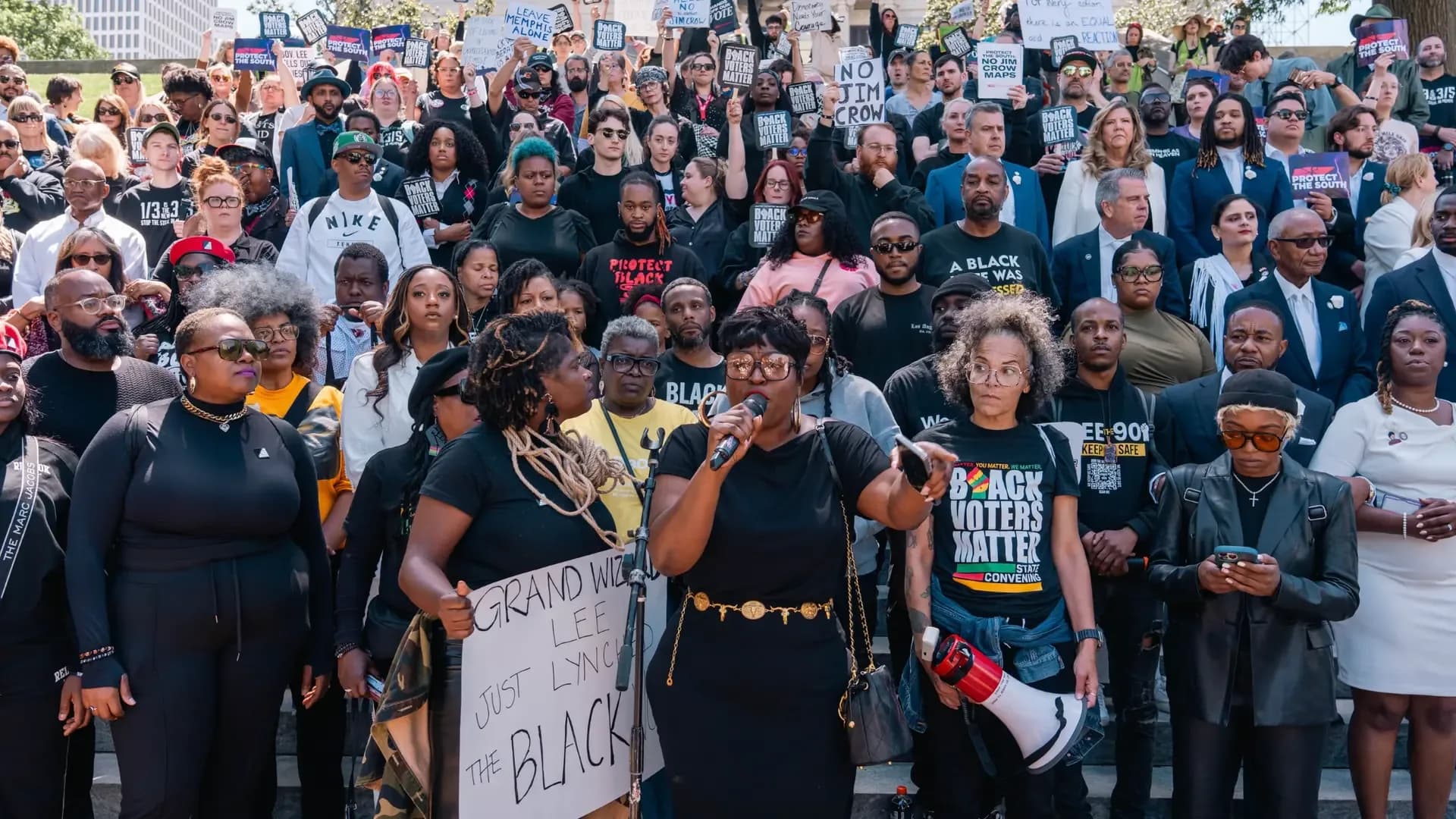
The road to progress runs through the South, and we can’t ignore it. The region is at a pivotal moment, having faced decades of voter suppression, accelerated attacks on people’s rights, and chronic underinvestment in grassroots power building.
Meanwhile, the South is undergoing a massive demographic shift, in what researchers have coined the Reverse Great Migration, with more people of color, specifically Black people, moving to southern states. Not only does this shift represent a prime opportunity to build Black voting power, but it will also affect southern states’ representation in Congress. North Carolina and Georgia, for instance, are each forecast to pick up one congressional district after the 2030 census, and Florida is slated to gain two.
Now, with the U.S. Supreme Court’s ruling in Louisiana v. Callais, which further gutted the Voting Rights Act, southern states are experiencing aggressive racial gerrymandering that will dilute Black voting power and weaken hard-won voting rights protections — attacks that will likely increase as southern states gain congressional representation post-2030.
MVF partners are fighting back against racial gerrymandering now and in the future by shaping the narrative, registering voters, and developing leaders for the long haul. It’s time to invest in the next generation of the civil rights movement.
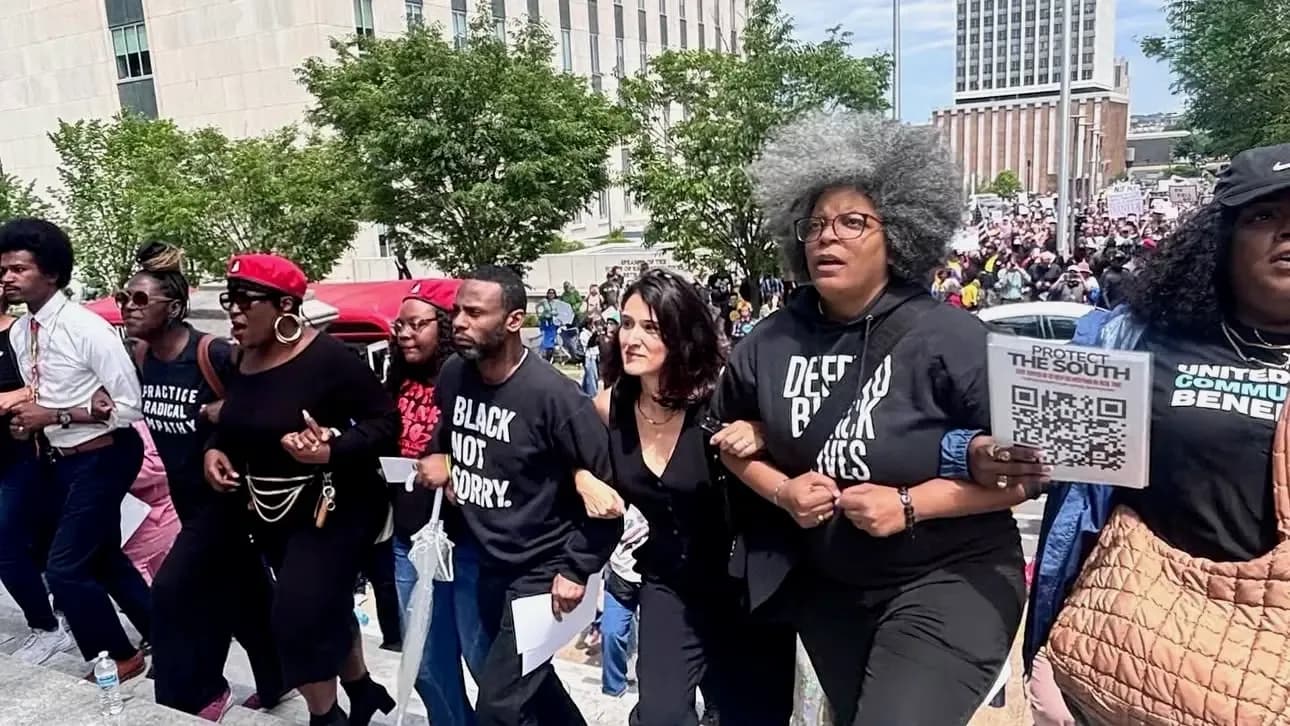
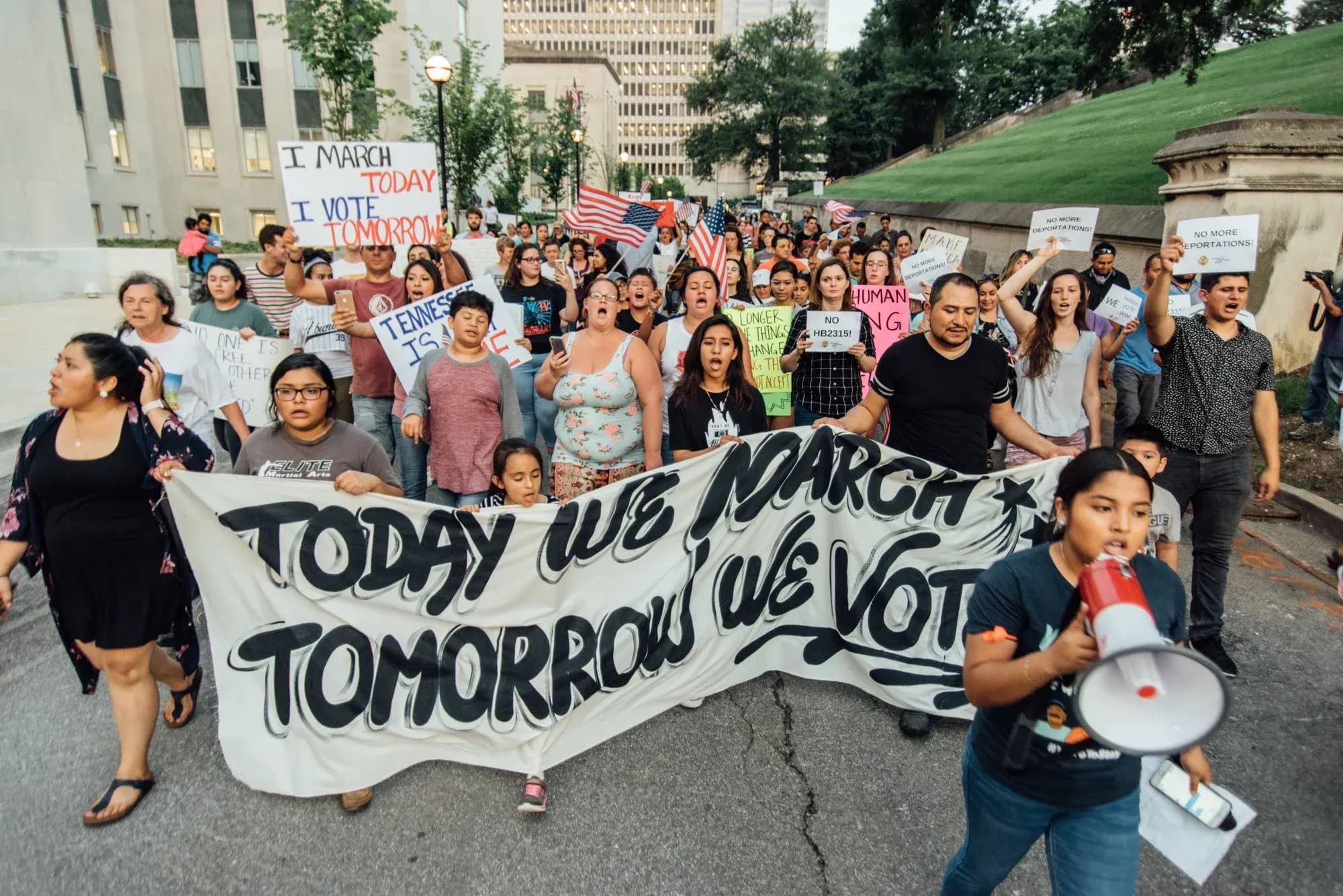
Photo: Leaders in Tennessee protest the legislature’s elimination of the only Black-majority congressional district.
Documenting the Struggle for Fair Representation
The state legislature in Tennessee eliminated the state’s only Black-majority congressional district within eight days of the Callais decision. Thousands of people mobilized in Memphis to mount a week of protest against the disenfranchisement of Black communities.
Forward Tennessee, the state ecosystem’s communications hub, documented the protests and continues to shape the narrative about fair representation, community and Black voting power, and the long-term fight for a multiracial democracy. Telling the story of these protests has shifted the conversation about racial gerrymandering and has mitigated some of the worst-case scenarios for the elimination of Black representation in Congress in other states.
The compelling narratives of the protests in 2026 will inspire future generations to continue the struggle for fair representation and a multiracial democracy, while elevating the harms of racial gerrymandering and the importance of fighting for Black voter power.
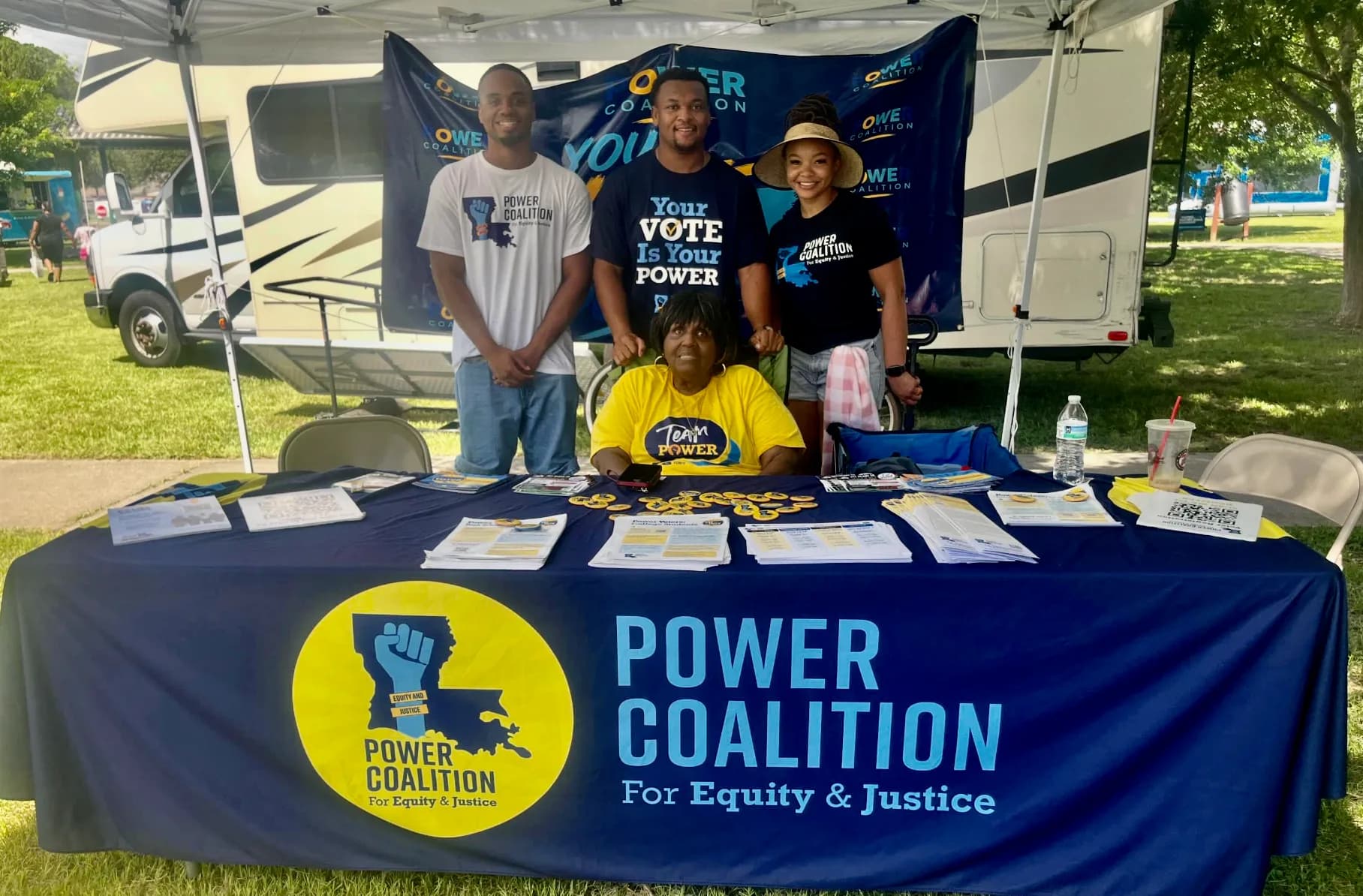
Photo: Power Coalition for Equity & Justice in Louisiana registering and engaging voters at a community event in June after the governor suspended congressional primary elections
Mitigating Harm of Canceled Elections
After the Callais decision, Louisiana Governor Jeff Landry suspended primary congressional elections — even while early voting was already underway — in an intentional move to have more time to eliminate one of Louisiana’s two Black-majority congressional districts. The goal: dilute Black voting power and electoral representation in a state that’s more than 30 percent Black.
Power Coalition for Equity & Justice coordinates community organizations that engage underrepresented voters across Louisiana to collaborate on voter registration work, get-out-the-vote efforts, and legislative advocacy on voting rights. To mitigate the harm of Governor Landry’s decision to cancel elections and redistrict through racial gerrymandering, Power Coalition is doubling down on their efforts to civically engage Black Louisianans.
Their data-driven approach to coordinating partners means that they target their voter registration and mobilization efforts in Black communities with lower participation rates due to historic disenfranchisement. Power Coalition is deliberately engaging these communities, reminding them of their power, and motivating them to turn out to vote — bucking conventional wisdom of state leaders who assume they will not turn out.
Developing the Next Generation of Black Leaders
With the possibility of additional mid-cycle redistricting and regularly scheduled redistricting in 2031 after the 2030 census, the specter of racial gerrymandering looms large across the South. To continue to build Black voting power and protect fair representation, we must fortify movements that are building the next generation of leaders to take on these fights. Black Leadership Action Coalition of Kentucky (BLACK) is doing just that.
Founded in 2020 in the aftermath of the killing of George Floyd, BLACK has become the strongest base-building organization in Black communities in Kentucky. Through their organizing programs, BLACK engages Black Kentuckians, learns about the issues they face, and organizes together to develop solutions and build long-term power.
BLACK’s Grassroots Organizing Leadership Development (GOLD) Program takes their organizing work to the next level by developing individual leaders to grow as powerful community organizers. The GOLD Program trains organizers to learn the necessary values, concepts, history, and practices to directly engage their neighbors in ways that encourage participation in improving community conditions and social issues.
With the struggle for fair representation likely to continue, especially across the South, this type of leadership development is sorely needed to equip current and future organizers with the tools they need to expand and fortify our movements and fuel the generational struggle for fair representation.
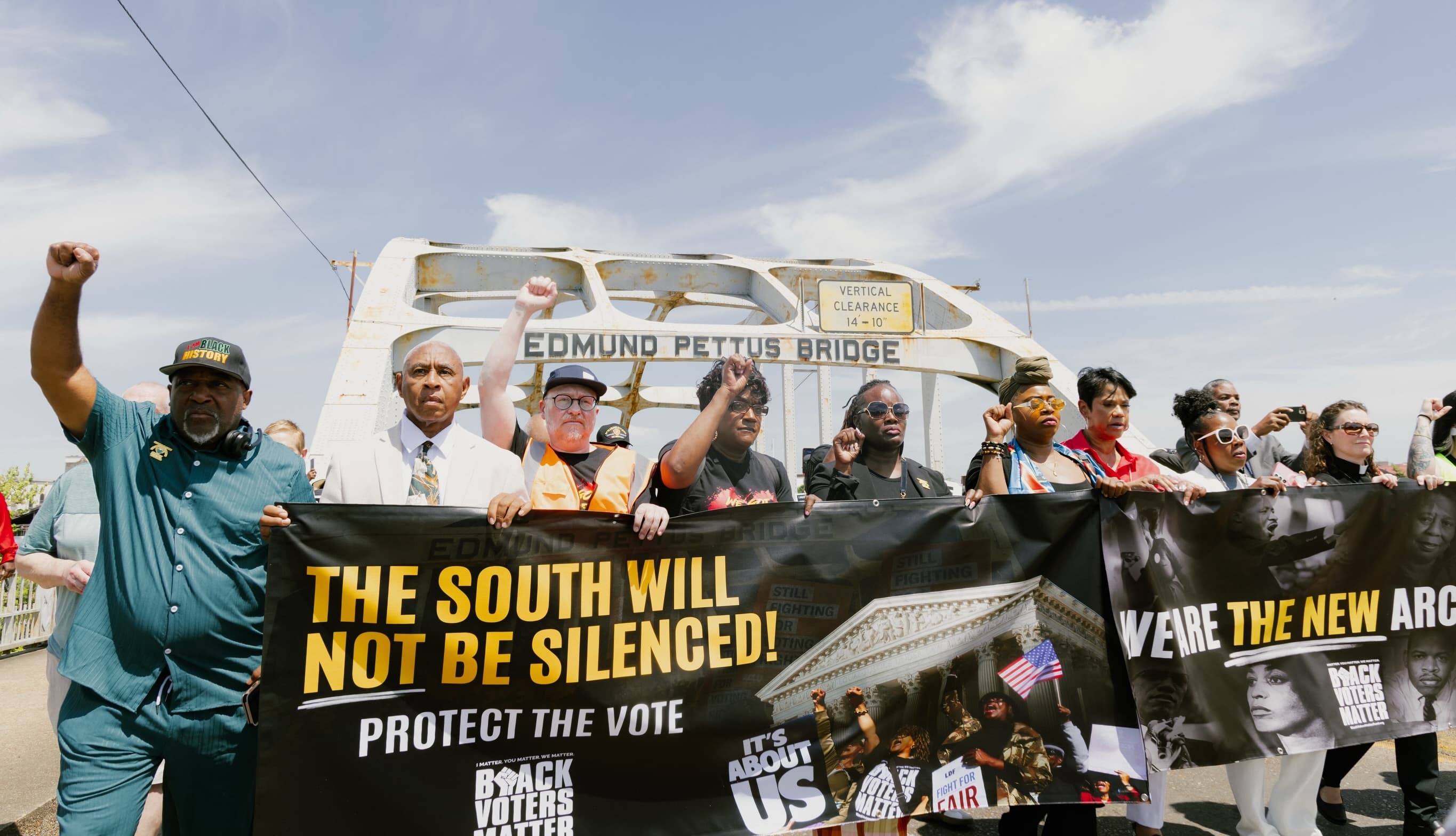
Photo: Black Voters Matter Capacity Building Institute Inc. held a voting rights rally in Montgomery, Alabama, on May 17, in the aftermath of the Supreme Court’s ruling in Louisiana v. Callais. 5/17/2026. (Credit: photojones.co)
As Goes the South, So Goes the Nation
To put it simply, we can no longer write off the South. With demographic shifts, growing voting power, and congressional reapportionment in 2031 — where the South could have more House seats than at any other point in U.S. history — the South will shape what happens in our country for years to come.
Together, we can shape the next decades of American history. Investing in southern organizing will impact everything from voting rights to healthcare access to the rise of data centers and more. MVP partners have been working for years with what little investment they were getting. Imagine what they can do if we invest in the South as boldly as in other areas of the country that have proven their potential to transform and lead the way.
The best time to support the South was yesterday, but we can make up for lost time by supporting southern organizers on the front lines of our democracy today.